Tags with Succulents. Cutting File for Crafts and Graphics
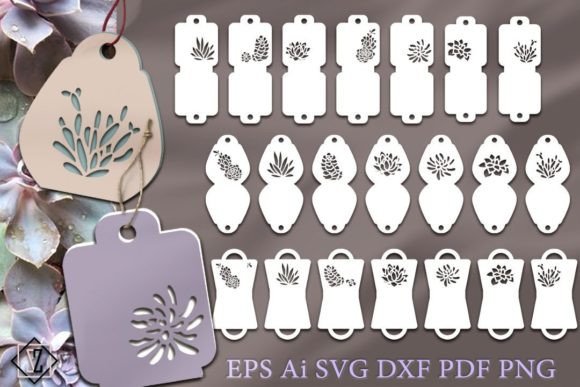
As a brand designer and content marketer, I’ve spent countless hours evaluating graphic design assets for various marketing campaigns. The Tags with Succulents. Cutting File immediately caught my attention with its fresh, organic aesthetic. This design bundle offers 21 tags with carved juicy flowers in 3 shapes and 7 designs—perfect for adding a touch of natural charm to your visual storytelling.
First Impressions: A Fresh and Playful Mood
The first thing that stands out about this asset is the mood it creates. The succulent motifs bring a sense of playfulness and freshness, making them ideal for brands that want to convey a lifestyle or handmade vibe. These tags are visually appealing and have an earthy, botanical feel that can evoke emotions of care, creativity, and natural beauty. They feel suitable for casual branding, handmade products, lifestyle content, and even seasonal promotions like spring or summer campaigns.
This asset would be perfect for small businesses selling eco-friendly products, gift items, or home decor. It can also work well for event promotions, especially those centered around gardening, wellness, or sustainability themes.
Practical Use in Marketing and Branding
The Tags with Succulents. Cutting File has a wide range of applications in marketing and branding. From packaging design to social media graphics, these tags can add a unique decorative element that elevates the visual appeal of your content.
Here’s how they can support different marketing efforts:
- Product Launches: Use these tags as accents on product packaging or promotional banners to create a cohesive, nature-inspired look.
- Social Media Posts: Incorporate them into Instagram posts, Pinterest pins, or Facebook ads to add a touch of organic charm.
- Editorial Design: They work beautifully in blog headers, email banners, or website headers to enhance visual hierarchy and draw attention to key messages.
- Canva Templates: These tags can be used in digital templates for printable promotions, lead magnets, or media kits.
- Event Promotions: Add them to flyers, posters, or merchandise to give your event a natural, inviting feel.
They can help build audience trust by creating a consistent visual identity and reinforcing your brand's message through subtle yet meaningful design elements.
Where This Asset Works Best
These tags shine in scenarios where you need to add decorative brand elements without overwhelming the viewer. Here are some top use cases:
- Hero Graphics: Use them as background accents in campaign headers or landing pages.
- Branded Templates: Include them in social media covers, packaging accents, or content bundles.
- Promotional Banners: Pair them with clear calls-to-action for a more engaging visual layout.
- Editorial Layouts: Add them to magazine-style layouts or blog posts for a more creative feel.
- Decorative Brand Elements: Use them as part of your brand identity to reinforce your message visually.
They are particularly effective when paired with warm color palettes, soft fonts, and minimalistic layouts.
Use with Caution in Certain Contexts
While these tags are versatile, they may not be the best fit for every situation. Consider using them carefully in:
- Formal Corporate Branding: Their playful nature might clash with a professional or corporate image.
- Dense Information Layouts: Avoid using them in text-heavy designs where they could distract from the main message.
- Small Mobile Graphics: Ensure they remain legible and don’t get lost in smaller screen sizes.
- Low-Contrast Backgrounds: Test them on different backgrounds to ensure visibility and readability.
- Overly Minimal Brands: If your brand leans heavily on simplicity, balance their use with other design elements.
Always test them within your brand’s context before finalizing any campaign.
Brand Designer Notes and Practical Tips
As a designer, here are some practical notes to consider when integrating these tags into your workflow:
- Test with Your Brand Color Palette: Ensure the colors complement your existing brand identity.
- Check Black and White Usage: Verify if the tags maintain clarity in grayscale formats.
- Place in Real Campaign Mockups: See how they look when integrated with other design elements.
- Preview on Mobile Screens: Confirm they scale well and remain readable on smaller devices.
- Test Readability in Small Sizes: Make sure the details aren’t lost when resized.
- Compare Against Competitor Visuals: Ensure they stand out while aligning with your brand’s tone.
- Review Font Pairings: Check compatibility with serif, sans-serif, script, handwritten, and display fonts.
- Confirm Commercial Licensing: Always review the licensing terms before using them in paid campaigns or client work.
These steps will help ensure the tags enhance your visuals rather than detract from your message.
Final Thoughts: A Strong Design Asset for Content Creators
The Tags with Succulents. Cutting File is a valuable graphic design asset that brings a fresh, organic feel to your marketing materials. Whether you're launching a new product, refreshing your social media visuals, or building a content kit, these tags offer a creative way to connect with your audience on an emotional level.
By using them thoughtfully and testing them in real-world scenarios, you can elevate your brand’s visual storytelling and create more memorable campaign visuals that resonate with your target audience.